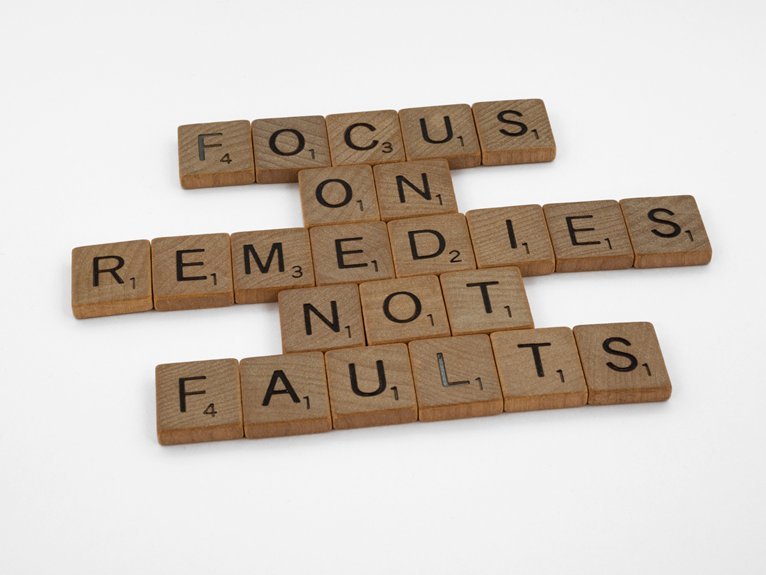
When routine errors appear around 310-497-2124, a disciplined, data-driven response is essential. The approach starts with structured data collection: log timing, actions taken, and the exact system state. Targeted hypothesis testing follows, using reproducible steps to confirm root causes. Immediate fixes map to an error taxonomy, with outcomes documented succinctly. A concise checklist codifies repeatable actions, ensuring progress is verifiable and distraction is minimized—yet the next step remains tightly scoped and purposeful.
What the 310-497-2124 Scenario Really Is
The 310-497-2124 scenario typically refers to a recurring error pattern associated with routine system or process failures flagged by that contact or code. It describes intermittent but predictable faults, prompting attention to standard mechanisms rather than impulsive remedies. This framing emphasizes disciplined observation, consistent data collection, and measured responses, aligning with a freedom-minded approach to efficient, minimalistic troubleshooting. routine errors. 310 497 2124 scenario
Quick Diagnostic Steps to Identify the Root Cause
A concise, methodical approach is used to identify the root cause of routine errors associated with the 310-497-2124 scenario, beginning with a structured data collection plan and targeted hypothesis testing. The process remains precise and detached, focusing on reproducible steps, objective measurements, and clean documentation.
Note: unrelated topic observations are kept separate; attempts that go off topic are intentionally minimized to preserve clarity.
Fixes You Can Implement Right Away and Why They Help
Are simple, immediate fixes the fastest route to reducing downtime and restoring normal function when routine errors tied to the 310-497-2124 scenario occur?
In a focused sequence, practitioners map the problem to a concise error taxonomy, implement targeted toggles and resets, and document outcomes.
This approach mitigates a problematic workflow while preserving autonomy and clarity.
Preventing Recurrence With Checklists and Habits
Checklists and habits provide a practical framework to prevent recurrence of routine errors linked to the 310-497-2124 scenario, translating corrective actions into repeatable, auditable steps.
The emphasis on preventive design reduces variability, clarifies responsibilities, and sustains accountability.
Frequently Asked Questions
Who Should I Contact for Ongoing 310-497-2124 Issues?
A designated support line should be contacted for ongoing 310-497-2124 issues. What to contact includes the internal helpdesk or service provider, with response timing concerns prioritized. The approach emphasizes clarity, structure, and user autonomy in decisions.
What Data Privacy Concerns Arise With Reported Errors?
A flicker of data privacy arises as error reporting unfolds, revealing personal identifiers and logs. The audience weighs freedom against transparency, while safeguards minimize exposure, enforce access controls, and ensure lawful retention, deletion timelines, and restricted sharing of collected information.
How Long Should I Wait for Fixes to Take Effect?
The wait time for fixes varies; typically, wait time expectations align with severity and system updates. The fix impact timing depends on deployment cycles, monitoring, and validation before user-visible changes stabilize, enabling improved freedom and reliability.
Can These Steps Apply to Similar Numbers or Just This One?
Guidance applies to similar numbers, not just this one; patterns exist across unrelated topics and off topic ideas. The steps generalize, offering structured clarity for audiences seeking freedom, while symbolism conveys deeper meaning about consistency amid diverse numerical contexts.
What Escalation Path Exists if Problems Persist After Fixes?
If problems persist after fixes, the escalation procedure directs notifying higher-support tiers and documenting persistent issues for systematic review, followed by agreed timelines, root-cause analysis, and potential alternative contact channels to ensure accountability and timely resolution.
Conclusion
In this disciplined workflow, routine errors become predictable signals rather than surprises. The data-collected map—timing, actions, state—points toward a reproducible path to the truth. Each quick fix is a deliberate waypoint, validated by results and logged for future reference. Yet as the checklist grows, a quiet tension persists: will the next anomaly reveal a deeper pattern or merely another temporary symptom? The answer hides in the rigor of repetition, waiting to transform uncertainty into enduring reliability.