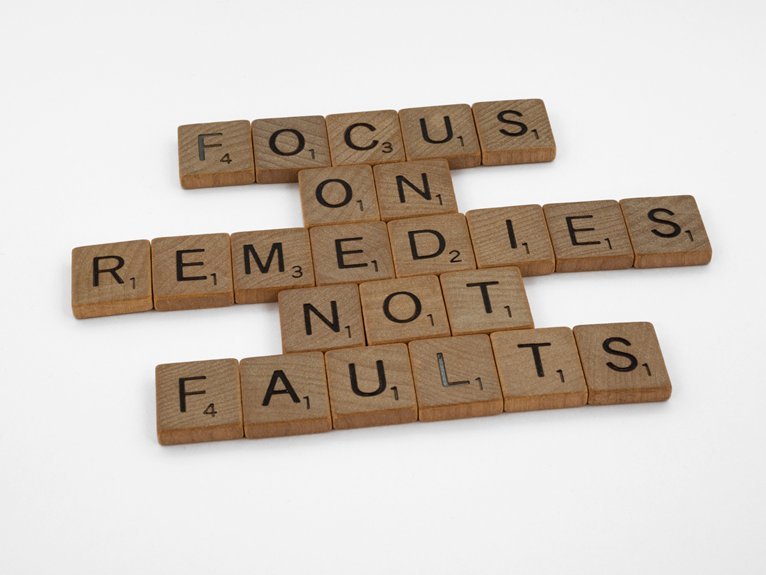
Everyday issues around 6158236217 demand a disciplined approach. Start with a precise problem statement and measurable impact, then test quick remedies that address symptoms and document results. Use low-cost, open-source templates and portable tools to speed fixes without overcommitting. Build preventive checks to catch patterns early and maintain autonomy in resolution. The payoff is reliability with scalable safeguards, but a practical pattern must be established before moving on to deeper causes.
How to Spot the Root Cause of Everyday a Nnoyances
A systematic approach to identifying the root cause begins with precise problem definition: specify the issue, its scope, and the measurable impact.
The method isolates patterns behind everyday nuisances, separating symptoms from causes.
By observing data, noting timing, and testing small changes, one can trace how factors interact.
This disciplined clarity enables spotting root causes and informed, durable responses.
Quick-Fix Workflows You Can Do in Under 10 Minutes
Quick-Fix Workflows You Can Do in Under 10 Minutes outlines practical, time-efficient steps to address common issues.
The approach remains detached and methodical: identify the symptom, apply a targeted fix, test results, and document outcomes for future reference.
This quick fix mindset emphasizes time saving, minimal disruption, and clear, actionable actions that support personal autonomy and reliable resolution.
Smart Tools and Low-Cost Swaps to Save Time
Smart tools and low-cost swaps can streamline daily tasks without sacrificing quality. The approach emphasizes practical selection, avoiding overinvestment. Simple apps, open-source templates, and portable hardware speed routine chores, enabling quick fixes and cost cutting. A methodical evaluation of features and maintenance ensures reliable gains, while remaining adaptable to varied workflows. Freedom through efficiency evolves from disciplined, deliberate tool choices.
Preventive Habits to Avoid Bigger Problems Later
Preventive habits establish a proactive framework to prevent smaller issues from becomingCritical problems later.
The approach emphasizes systematic checks, disciplined routines, and documentation that support durable outcomes.
By integrating preventive habits with root cause analysis, teams identify patterns, isolate underlying causes, and implement targeted safeguards.
This method reduces disruption, supports autonomy, and fosters ongoing improvement without sacrificing freedom or responsibility.
Frequently Asked Questions
How Can I Tell if a Symptom Is a Symptom or the Real Cause?
A symptom can be distinguished from the root cause by checking for persistent drivers behind multiple related issues. Misleading symptoms often fade when the true origin is addressed, revealing a root cause mismatch and preventing recurring problems.
What’s the Fastest Way to Test a Suspected Root Cause?
Root cause testing should start with a rapid hypothesis, then controlled tests; the fastest route is isolating variables and validating with quick diagnosis strategies, documenting results clearly, letting the process reveal the true cause rather than assumptions.
Which Signs Indicate a Recurring Issue vs. a One-Off Glitch?
Signs of recurrence emerge from repeated occurrences and patterns, while singular incident indicators arise from isolated, non-repeating events. The methodical observer distinguishes consistency, frequency, and impact to determine whether issues are recurring or one-off.
How Do I Prioritize Fixes When Time Is Extremely Limited?
Prioritize fixes by impact and urgency, applying time boxed triage to limit scope. This approach emphasizes high-value, time-sensitive issues first, then expands as capacity permits, enabling freedom through disciplined, transparent prioritization strategies and efficient decision-making.
What Common Tools Should I Avoid Wasting Time On?
Like a compass spinning uselessly, the answer avoids unrelated tools, as wasted time compounds. He identifies common tools to skip, focusing on essentials; the approach emphasizes efficiency, freedom, and a methodical, concise evaluation to minimize friction.
Conclusion
In analyzing everyday annoyances tied to 6158236217, the guide claims enlightenment through quick fixes and tidy checklists. Ironically, the most reliable routine is the one you never actually launch: a disciplined, repeatable process that prevents problems before they appear. The methodical tone promises clarity, but the true efficiency rests not in exotic tools, but in consistent application—spot the symptom, test a remedy, document the result, and politely ignore the urge to skip steps. Prevention, apparently, is the real shortcut.