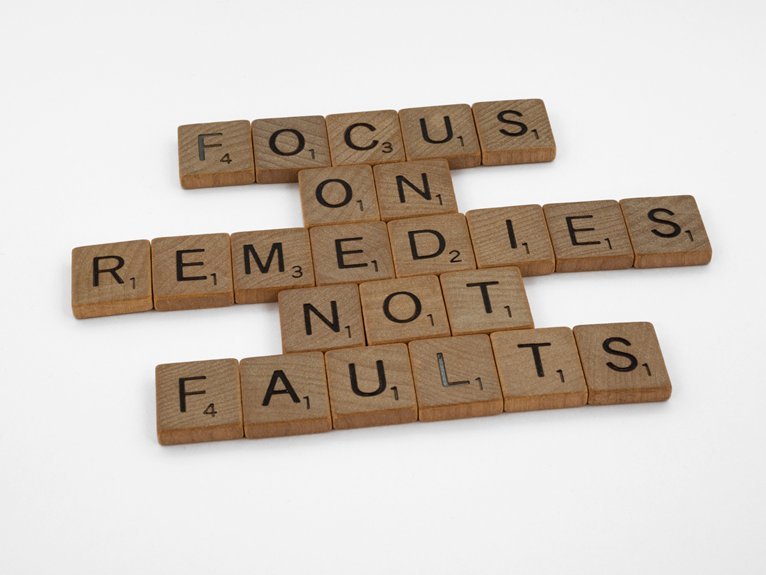
The guide presents a concise framework for defining objectives, constraints, and root causes. It emphasizes alignment of priorities, rapid quick wins, and clear checklists to sustain progress. It offers step-by-step methods, alternative views, and guardrails to prevent drift. By forecasting common hurdles, it supports disciplined experimentation and measurable gains. It keeps focus on goals, resources, and assumptions—a structured path that invites the reader to consider what comes next and why it matters.
What Problem Are We Solving for 8139469478?
What problem are we solving for 8139469478? The focus is on framing a clear objective, identifying constraints, and aligning priorities. This stage defines what problem solving aims to achieve, enabling decisive action. It surveys the landscape, flags gaps, and distinguishes symptoms from root causes. Two word ideas: brainstorming issues. This groundwork supports freedom through focused, purposeful inquiry and structured thinking.
The Step-by-Step Problem-Solving Framework That Works
The Step-by-Step Problem-Solving Framework That Works offers a concise, repeatable sequence for tackling problems.
It presents Idea One as a guiding principle and Idea Two as alternate perspectives.
Approach Patterns ensure consistency across contexts, while Tooling Choices align methods with goals.
The framework emphasizes clarity, autonomy, and intelligent iteration, enabling readers to pursue solutions with structured freedom and disciplined experimentation.
Common Hurdles and How to Overcome Them With Quick Wins
Common hurdles arise when applying the Step-by-Step Problem-Solving Framework, but quick wins can stabilize momentum. The approach identifies item: brainstorming pitfalls as early signals and uses short cycles to validate ideas. Clarity checkpoints guide teams to align goals, resources, and assumptions. By recognizing friction points and delivering rapid, measurable improvements, momentum returns while maintaining disciplined focus and freedom to reassess as needed.
Practical Checklists to Keep Momentum and Prevent Backsliding
Practical checklists serve as concise guardrails to sustain progress and prevent backsliding. They translate complex aims into actionable steps, enabling steady problem solving and steady momentum building. Each item clarifies priority, deadlines, and accountability, reducing hesitation. Regular review reinforces discipline, adapts to new obstacles, and preserves clarity. The result is continuous forward motion, minimal drift, and a freer, more confident approach to challenges.
Frequently Asked Questions
How Can 8139469478 Measure Long-Term Impact Effectively?
Long term metrics indicate sustained progress through periodic reviews and adaptive strategies; the target calculates impact assessment via trend analysis, stakeholder feedback, and outcome alignment, ensuring resilience. A structured, free-form approach supports transparent, consistent measurement over time.
What Mindset Shifts Boost Problem-Solving Consistency?
Mindset shifts boost problem solving consistency by fostering deliberate practice, rapid problem resolution, and awareness of relapse signs. They influence long term impact, enable tailoring guides across different industries, and help avoid old habits while pursuing personal freedom.
Which Tools Best Accelerate Rapid Problem Resolution?
The tools that best accelerate rapid problem resolution emphasize digital collaboration and creative thinking, enabling streamlined idea exchange, rapid prototyping, and iterative feedback while preserving autonomy; structured workflows empower individuals to pursue innovative solutions with freedom and clarity.
How to Tailor the Guide to Different Industries?
A coincidence draws attention: the guide is tailored by industry; it emphasizes disaster recovery and regulatory compliance, adapting workflows, terminology, and risk matrices to sector-specific needs while preserving universality, clarity, structure, and a sense of operational freedom.
What Are Early Warning Signs of Relapse Into Old Habits?
Relapse indicators include subtle slips and complacency, with habit rebound appearing as gradual re-engagement in prior routines. Early recognition emerges through tracking triggers, consistency gaps, and context shifts; proactive adjustment reduces risk and supports sustained freedom from old patterns.
Conclusion
In the end, the problem is a compass, not a cage. The framework provides a steady North: define, constrain, test, and adjust. Quick wins spark momentum; checklists seal the path against drift. With disciplined iteration, hypotheses become lessons, and chaos upgrades to clarity. When priorities align with resources and assumptions, progress travels faster than doubt. The result is a small, persistent flame—enough light to navigate complexity without burning the core objectives.