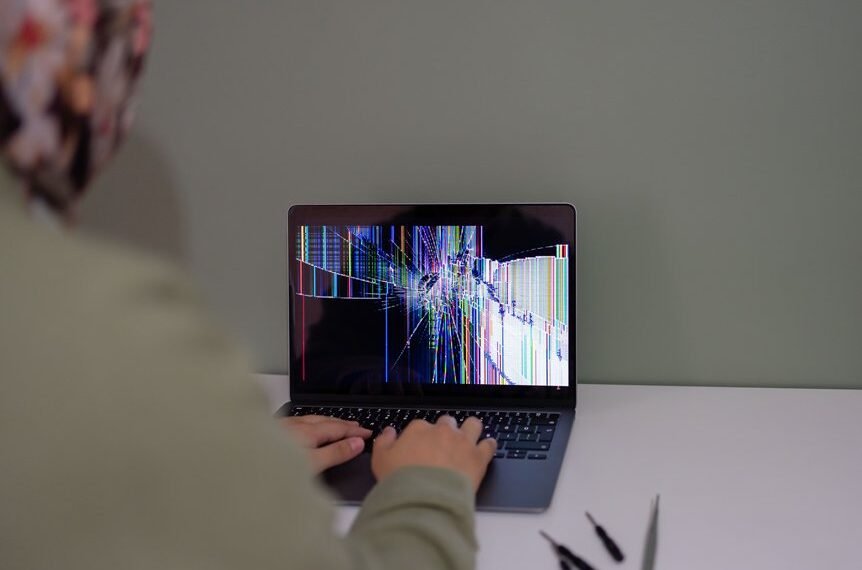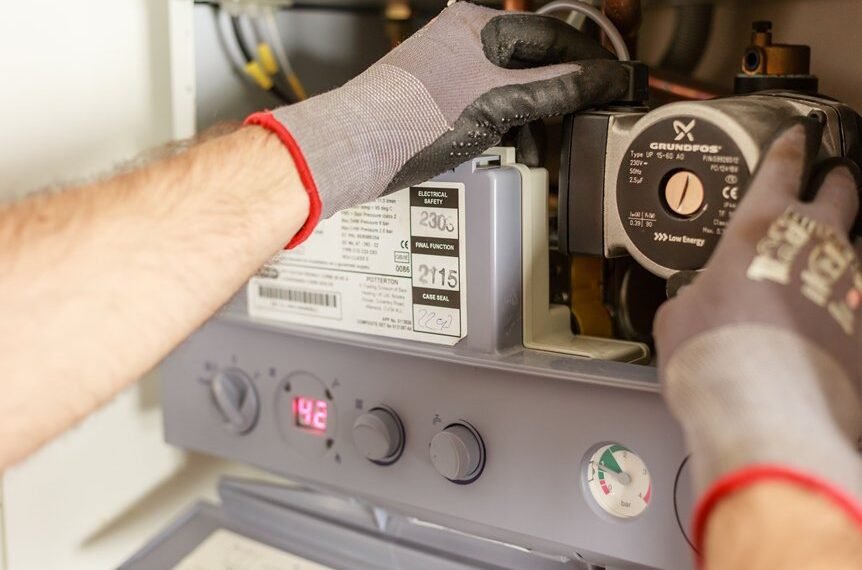
Smart resolution methods around 4782104050 center on disciplined, repeatable steps. Verify power and connectivity first, then read error messages for actionable clues. Use a structured checklist to stay consistent, prioritizing quick resets and firmware checks to restore function while safeguarding data. Emphasize routine backups, verified restores, and clear triggers to prevent repeats. Choose professional tools when needed and escalate appropriately, aligning actions with rapid-win strategies that sustain autonomous operation—the next step offers clarity on how to apply these practices effectively.
How to Diagnose Everyday Tech Hiccups Quickly
To diagnose common tech hiccups quickly, start with a structured checklist: verify power and connectivity, observe error messages, and confirm there are no recent changes or updates.
The approach emphasizes systematic assessment, not speculation.
Troubleshooting basics guide technicians through layered steps, while diagnostic checklists ensure consistency.
This method preserves user autonomy, delivering concise, actionable clarity without unnecessary speculation or delay.
Quick-Fix Wins for Common Devices and Networks
Quick-Fix Wins for Common Devices and Networks distills practical, high-impact steps to restore functionality.
The section enumerates targeted, repeatable actions for remaining uptime, including quick resets, firmware checks, and network reconfiguration.
It emphasizes tech troubleshooting discipline while preserving user data integrity, outlining safeguards for data preservation and minimal interruption.
Solutions remain concise, actionable, and platform-agnostic, fostering confident, autonomous recovery.
Smart Habits That Prevent Repeats and Data Loss
Smart Habits That Prevent Repeats and Data Loss builds on the prior emphasis on rapid repairs by shifting focus to preventive discipline. This section outlines disciplined routines that reduce risk: routine backups, verified restores, and identifiable triggers for action. Smart habits emphasize mindful automation, secure storage, and documented procedures, ensuring data loss prevention while preserving freedom to operate without fear of repetition.
Choosing Tools and When to Seek Help Professionally
Deciding which tools to deploy and when to escalate to professional assistance requires a clear assessment of task complexity, risk, and available expertise; practitioners should match tool capabilities to the problem scope and confirm that parameters, backups, and rollback plans are in place.
Choosing tools guides diagnosing hiccups toward quick fix wins; hiring experts prevents data loss, while habits prevent repeats, ensuring freedom.
Frequently Asked Questions
What Is Smart Resolution and How Does It Work for Daily Issues?
Smart resolution is a structured approach guiding daily issues to efficient outcomes. It analyzes problems, selects practical steps, and monitors progress, enabling individuals to resolve concerns autonomously while preserving freedom and adaptability in everyday decision-making.
Can AI Assist With Privacy and Security During Fixes?
Yes, AI can assist with privacy and security during fixes. It implements privacy safeguards and data encryption, monitors vulnerabilities, and automates secure configurations. The approach emphasizes user autonomy, transparency, and minimal data exposure while correcting issues efficiently.
Are There Budget-Friendly Devices That Improve Resolution Outcomes?
Budget devices exist and can improve resolution outcomes cost effectively. The approach emphasizes cost effective resolution, selecting affordable hardware and optimized settings; deliberate choices balance performance, energy use, and user autonomy while maintaining satisfactory results for everyday concerns.
How to Prioritize Fixes When Multiple Devices Fail Simultaneously?
Coincidences aside, the method: prioritize fixes by impact and feasibility. The device reliability depends on critical functions first, then peripherals; troubleshooting prioritization ranks systems by disruption level, retry tolerance, and available workarounds, preserving user autonomy and progress.
What Signs Indicate Professional Help Is Necessary Beyond DIY Fixes?
Signs indicating professional help is necessary include persistent electrical issues, unusual smells, heat, sparks, or buzzing, as well as exposure to water, cracks, or exposed wiring. Safety considerations require escalation beyond DIY fixes.
Conclusion
In summary, the outlined smart resolution approach delivers rapid wins by confirming power and connectivity, reading error cues, and following a disciplined, repeatable checklist. This deters downtime and protects data through quick backups and verified restores. An anticipated objection—“it’s too time-consuming”—is answered: short, structured checks prevent big outages, saving time and frustration later. By documenting steps and escalating when needed, everyday users gain autonomous, reliable control over common tech hiccups.