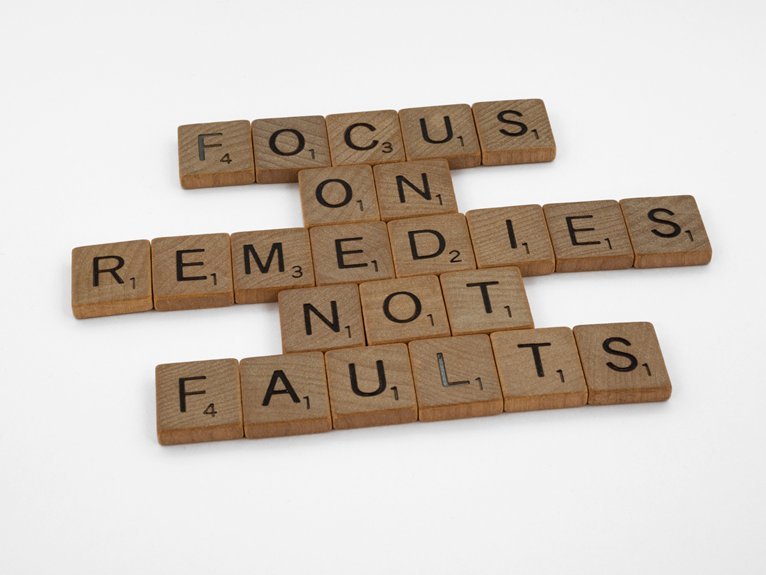
Routine concerns can erode performance when routines become rigid or misaligned with evolving demands. A structured approach uses modular routines, rapid feedback loops, and environment tweaks to restore momentum. By reframing tasks as systems with inputs, outputs, and feedback, teams can preserve autonomy while enforcing accountability. Short, measurable checks reveal constraint points and guide targeted adjustments, preventing drift. The question remains: what specific, durable changes will sustain quality without sacrificing adaptability?
What Are Routine-Related Performance Hurdles?
Routine-related performance hurdles arise when habitual processes fail to align with evolving demands. The analysis identifies constraint points where routine fatigue emerges, reducing adaptability and delay-prone decision cycles.
Empirical patterns show decreased accuracy under monotonous tasks and interruptions. Pragmatic response relies on measurement, short feedback loops, and targeted adjustments.
Consistency strategies, like scheduled reviews and modular routines, restore alignment and preserve autonomy for high-quality output.
Quick Wins to Reset Focus Today
Quick Wins to Reset Focus Today identifies actionable, evidence-based steps designed to interrupt fatigue cycles and restore cognitive clarity within short timeframes.
The analysis outlines pragmatic interventions, including concise focus strategies and immediate environment adjustments, to recover attention without disruption.
Empirical, concise measures function as momentum boosters, enabling sustained task engagement and measured performance gains while preserving personal autonomy and freedom of choice.
Reframing Repetitive Tasks for Momentum
Reframing repetitive tasks for momentum involves transforming monotonous activities into organized, measurable processes that sustain engagement. This approach treats tasks as systems, isolating inputs, outputs, and feedback to quantify progress and adjust effort. Empirical findings suggest reframing rituals enhance cognitive investment, while small, visible momentum boosters maintain steady pacing, reducing variance and fostering consistent performance over time.
Build Habits That Sustain Long-Term Performance
Sustaining long-term performance hinges on the deliberate formation of durable habits that align with objective goals and measurable feedback. The analysis centers on habit psychology, motivation triggers, and habit design to translate routines into reliable outcomes. An identity shift accompanies repeated action, reinforcing persistence. Pragmatic, empirical strategies enable freedom through structure, clarity, and accountability, reducing drift while fostering consistent, durable performance improvements.
Frequently Asked Questions
How Soon Will Results Appear After Implementing These Strategies?
Results typically emerge within weeks to a couple of months, though outcomes vary; the analysis emphasizes prompt clarifications and actionable timelines to calibrate expectations, enabling measured progress while maintaining an empirical, pragmatic orientation for an audience desiring freedom.
Can These Methods Work in High-Stress, Time-Crunched Roles?
Can these methods withstand high stress, time crunched roles? They can, when applied in team based, collaborative settings with disciplined execution; results appear analytically, empirically, and pragmatically, offering performance gains while preserving autonomy for those seeking freedom.
Do These Tips Apply to Team-Based or Collaborative Tasks?
Team dynamics and collaborative workflows readily apply, though effectiveness hinges on structured communication, clear roles, and measurable feedback. In high-stress contexts, empirical adjustments to workflows maximize performance while preserving autonomy and shared accountability.
What Tools Best Support Consistent Habit Formation and Tracking?
Tools that support habit tools and consistency tracking include digital apps, automated reminders, journal integrations, and progressive streaks; they quantify behavior, normalize effort, and empower autonomous, flexible routines, enabling empirical adjustments, transparent analytics, and freedom-centered habit formation.
How Do I Tailor Solutions for Unique Routine Disruptions?
Tailored routines emerge by analyzing individual disruption patterns and testing responses; thus, solutions emphasize flexibility, monitoring, and gradual adjustments to maintain momentum. This empirical approach builds disruption resilience, supporting autonomy and freedom while sustaining consistent performance.
Conclusion
Conclusion: The analysis shows that routine-related performance dips stem from misaligned constraints and fragmented feedback. By decomposing tasks into inputs, outputs, and feedback, teams can install modular routines and rapid check-ins that restore autonomy while guiding adaptation. The approach acts like a compass, providing directional clarity in shifting demands. With environment tweaks, measurable targets, and identity-aligned habits, sustained high-quality output becomes a predictable, repeatable system rather than a episodic achievement.