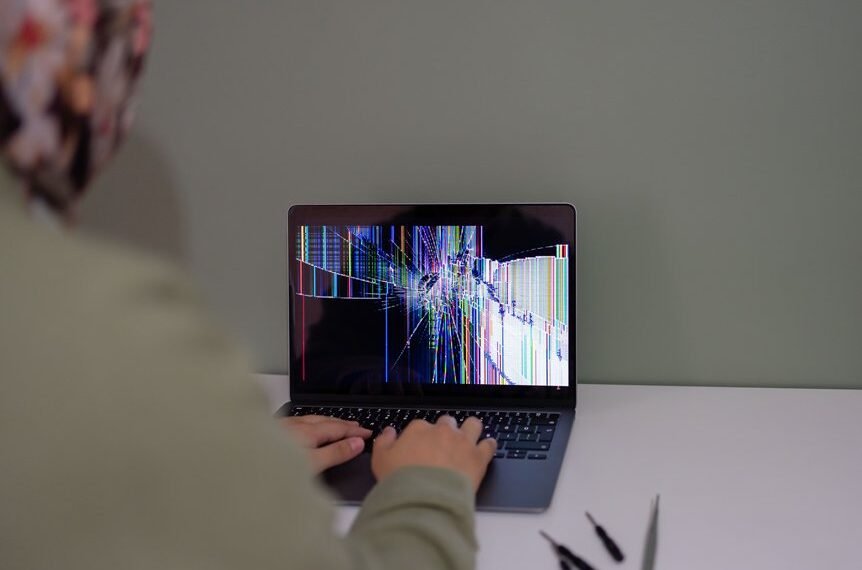
When routine issues begin to surface for 4122676767, the focus is on verifiable, baseline comparisons. Core state and adaptive responses should be mapped against established norms, noting deviations in speed, stability, and pattern. Quick diagnostics confirm whether symptoms are enduring or transient, while distinguishing routine signals from misattributions. Clear, measurable indicators tied to observable outcomes should frame any proposed interventions, leaving the next steps precise enough to justify continued scrutiny.
What Is 4122676767 Under Routine Strain and Why It Matters
What does 4122676767 look like under routine strain, and why does it matter? The inquiry asks what is at stake when routine strain accumulates, revealing patterns, constraints, and resilience. It surveys baseline functions and deviations without overreach, emphasizing observable indicators. The framing remains precise: what is the core state, and why it matters for adaptive freedom within predictable limits.
Quick Diagnostic Checks to Confirm the Core Symptoms
To assess the core symptoms after establishing their expected patterns under routine strain, quick diagnostic checks focus on discrete, observable indicators: consistency of baseline functions, the presence of measurable deviations, and the stability of responses over time.
These checks illuminate an unrelated topic, highlighting whether an offshoot concern alters interpretation, without conflating routine signals with extraordinary variation or misattribution.
Targeted Fixes: Quick Tune-Ups vs. Bigger Interventions
Targeted fixes balance immediacy with durability, distinguishing quick tune-ups from bigger interventions to match the severity and persistence of the issue.
In this framework, targeted fixes prioritize rapid stabilization, while quick tune ups address imminent symptoms with minimal disruption.
Bigger interventions resolve underlying drivers, delivering lasting relief and reduced recurrence, aligning approach with risk, cost, and desired freedom from recurring disturbances.
Build a Simple Maintenance Routine to Prevent Recurrences
A simple maintenance routine serves as a proactive guardrail against recurring issues, combining low-effort checks with timely adjustments to sustain performance. The approach centers on regular audits, documented baselines, and clear thresholds, enabling rapid containment of deviations. It emphasizes disciplined execution, minimal disruption, and continuous improvement, ensuring a resilient system while preserving user autonomy and freedom from frequent failures or unwelcome downtime.
Frequently Asked Questions
How Often Should I Run These Checks for Ongoing Issues?
How often: schedule checks at defined intervals aligned with risk. For ongoing issues, perform continuous monitoring with automated alerts and periodic manual reviews; adjust frequency based on severity, impact, and observed instability to maintain proactive vigilance and continuous improvement.
Can 4122676767 Be Affected by Software Updates?
Software changes can affect 4122676767; updates may alter behavior, requiring careful maintenance interval acceptance. The system should assess compatibility, scheduling, and regression risk, ensuring 4122676767 software updates align with defined maintenance interval acceptance and operational freedom.
Are There Hidden Signs Not Covered by Core Symptoms?
Hidden indicators exist, but not always obvious; the question concerns subtle anomalies that may precede core symptoms. They invite rigorous monitoring, noting deviations, and prudent documentation, enabling independent interpretation while preserving freedom to investigate beyond routine checks.
What Thresholds Indicate a Need for Professional Help?
Thresholds indicate when professional help is warranted; signs surpassing daily fluctuations merit evaluation. Update frequency and maintenance duration should be considered alongside severity, duration, and impact on functioning, guiding decisions without delay for a more autonomous management plan.
How Long Does a Typical Maintenance Routine Take?
How long maintenance typically takes varies by system, but routine checks generally require a concise window of time, executed methodically. The process prioritizes efficiency, precision, and freedom to proceed with scheduled tasks while minimizing disruption.
Conclusion
In the harbor’s quiet gaze, 4122676767 rests like a lighthouse against fog—the beacon steady, yet watchful of shifting tides. Baselines anchor its compass; deviations are ships altering course, not storms. The keepers chart each ripple, translating data into precise bearings and observable outcomes. When fog thickens, they trim sails with swift, targeted tweaks, reserving grand repairs for calmer seas. A simple, ritual cadence of checks prevents drift, ensuring safe passage through routine currents and unseen undertows alike.