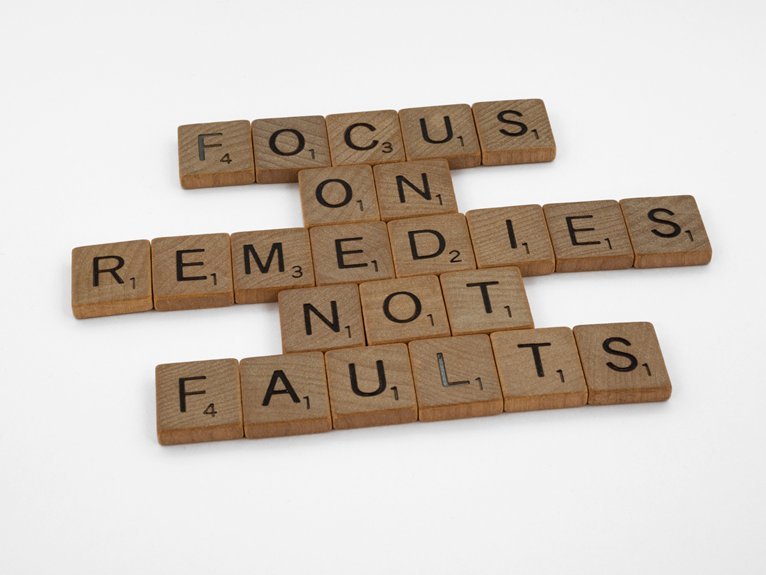
Practical solutions around 25198282 start with root-cause analysis to uncover patterns behind everyday frictions. The emphasis is on repeatable steps, not quick fixes that mask dynamics. Quick wins offer measurable relief without derailment of long-term goals. A simple, steady routine anchored to daily rituals reduces decision fatigue and preserves autonomy. Progress is tracked through small wins, with methods tweaked and scaled as results prove durable, leaving the reader with a clear point to pursue next.
What Practical Fixes Start With the Root Cause
Understanding the root cause is the essential first step, as fixes that address symptoms seldom prevent recurrence. The focus is on start causes and root causes, guiding practical actions. A clear diagnostic map identifies patterns, sources, and leverage points. Then targeted interventions address underlying dynamics, not surface effects. This disciplined approach supports enduring, freedom-friendly improvements without chasing exhausting cycles.
Quick Wins That Deliver Immediate Relief
Quick wins are practical actions that yield noticeable relief without waiting for long-term reforms.
The piece identifies immediate relief through targeted steps, addressing the root cause where possible and offering small wins that accumulate momentum.
These actions are delineated, nonduplicative, and repeatable, enabling readers to regain control quickly.
Clarity, restraint, and measurable progress define each suggested move.
Build a Simple, Steady Routine for the Long Run
A simple, steady routine is a practical foundation for lasting improvement, helping people move from sporadic effort to consistent progress.
The piece outlines a predictable framework: identify aims with causal analysis, anchor actions to daily rituals, and minimize decision fatigue.
It emphasizes autonomy, simplicity, and reliability, enabling persistent practice without burnout, while preserving freedom to adapt routines as needed.
Track, Tweak, and Scale Your Small Wins
Track, tweak, and scale small wins by systematizing progress. The approach records each modest achievement, isolates effective methods, and dispenses frictionless routines. It promotes discipline without rigidity, enabling steady autonomy. Track tweaks promptly, compare results, and adjust metrics to reflect real impact. When repeated, small gains compound, reinforcing momentum. Acceptable, scalable improvements emerge, encouraging continued freedom through deliberate practice and consistent wins. Scale wins.
Frequently Asked Questions
How Do I Identify Hidden Underlying Problems Behind Daily Annoyances?
The hidden biases and environmental cues shape behavioral patterns; identify the root cause by observing reactions, testing assumptions, and mapping triggers. This method reveals underlying problems behind daily annoyances, empowering individuals toward informed, autonomous problem-solving.
What Tools Help Prioritize Fixes With Limited Time?
Alliterative assertion: prioritization presets propel practical prioritization frameworks, pairing with timeboxing tactics to empower efficient decision-making. The approach helps a reader allocate attention, prune procrastination, and prefer purposeful progress, providing a freedom-loving framework for timely, tangible fixes.
How Can I Sustain Motivation During Slow Progress?
Slow progress motivation can be sustained by breaking tasks, tracking small wins, and reframing effort as progress. Daily annoyance roots are identified, minimized, and shifted into routines that reinforce momentum, autonomy, and a sense of deliberate, freedom-oriented progress.
Which Habits Ensure Consistency Across Busy Weeks?
Consistency habits emerge from simple anchors: early planning and short, measurable goals. In a busy week, routines stabilize progress, while freedom lies in flexible adjustments, not perfection. Juxtaposed outcomes—stagnation versus clarity—highlight disciplined yet adaptable behavior.
How Do I Measure Long-Term Impact Beyond Quick Wins?
Long term metrics enable true impact measurement beyond quick wins. The approach tracks sustained outcomes, sets periodic reviews, and compares against baseline. It emphasizes clarity, discipline, and freedom to adapt methods while maintaining objective, verifiable progress over time.
Conclusion
Root-cause reasoning provides reliable, repeatable results. Resolved patterns reveal practical pivots, prompting prompt progress. Steady systems shelter success, sustaining steady stamina. Small, specific steps show significant strides, shaping smart, scalable solutions. Suspense-free structure supports steady servicing of daily situations, sparking sustained satisfaction. By balancing brisk breakthroughs with thoughtful, thorough testing, practical fixes flourish. Consistent cadence cultivates confidence, clarity, and controllable course corrections. Overall, ongoing optimization offers orchestrated, over-time improvement, offering freedom, fortitude, and functional flourishing.